
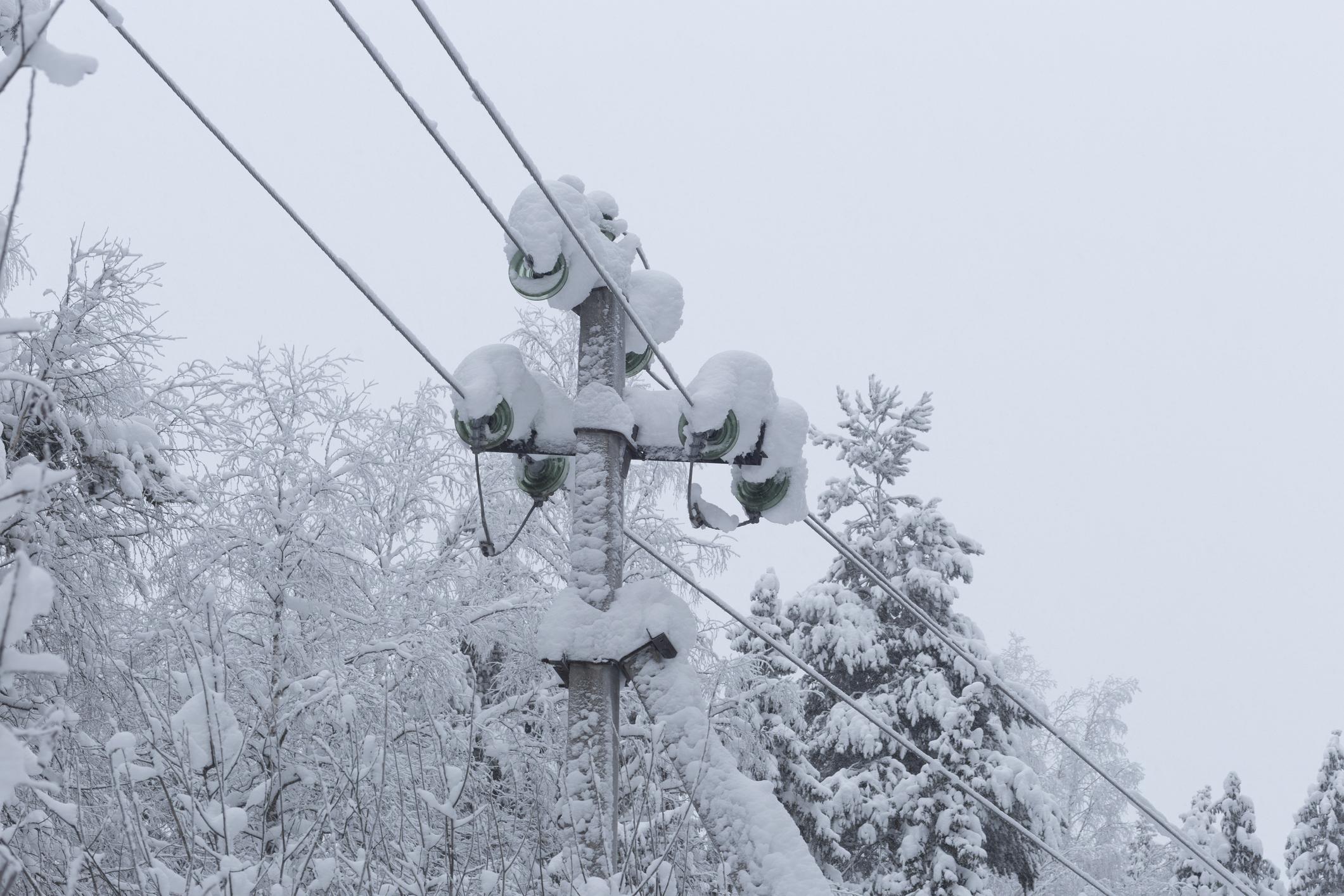
The winter of 2026 delivered a sequence of intense weather events across the United States, from large scale blizzards to multi state cold waves, creating widespread outages, infrastructure damage, and operational stress for grid operators.
Recent storms impacting the Northeast left hundreds of thousands of customers without electricity, with heavy snow, strong winds, and icing damaging local distribution infrastructure and slowing restoration efforts.
Earlier in the season, Winter Storm Fern affected more than 24 states and left over one million customers without power at peak impact, reinforcing how winter weather continues to expose systemic vulnerabilities in energy delivery networks.
Across the country, grid operators also reported record price spikes and heightened risk of supply shortages as extreme cold drove electricity demand to peak levels while stressing generation and fuel supply chains.
These events highlight a persistent reality. Extreme weather is now the dominant driver of major power disruptions in the United States, requiring new strategies for resilience beyond traditional centralized grid planning.
During recent winter storm events, federal energy officials described deploying emergency coordination measures aimed at preventing generation shortages and widespread blackouts.
Key actions highlighted included:
Officials argued that these steps enabled the grid to maintain sufficient generation capacity even as outages occurred at the distribution level due primarily to ice damage.
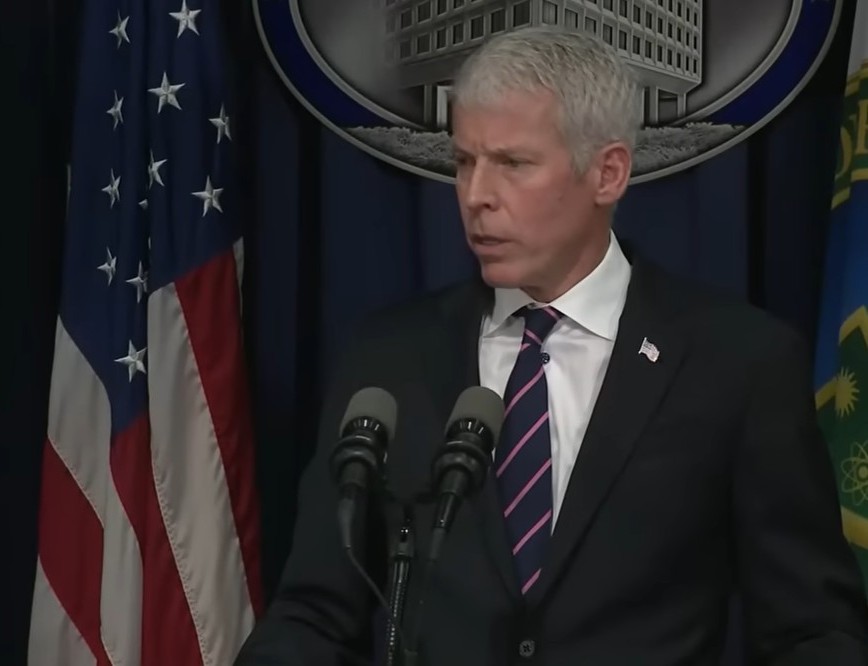
During the press conference on February 6, 2026, U.S. Department of Energy leadership emphasized:
“Capacity factors don’t matter, it’s what do you deliver when we need it.”
This framing reinforces a long standing grid engineering reality. Power systems must be designed for peak conditions, not average conditions.
The storm also reignited policy debate regarding generation mix and reliability.
Energy officials stated that fossil and nuclear resources acted as the system’s anchor during peak demand, citing increased output from natural gas and coal units and relatively lower contributions from wind and solar during critical hours.
At the same time, critics argued that renewables still provided meaningful supply in some regions and that long term resilience depends on diversified portfolios including storage, transmission, and advanced flexibility solutions.
Regardless of policy perspective, the event underscored a shared operational challenge.
How can power systems deliver resilient service during multi day extreme events characterized by high demand, infrastructure damage, and uncertain generation availability?
While centralized generation strategies remain important, one of the most significant structural responses to extreme weather risk has been the accelerated deployment of microgrids.
Microgrids are localized energy systems capable of operating independently from the bulk grid and are increasingly viewed as a resilience layer that complements traditional infrastructure.
U.S. microgrid capacity is expanding rapidly and continues to grow across campuses, communities, industrial facilities, and data centers.
During recent winter events, microgrid deployments and resilience focused energy strategies demonstrated several advantages:
Microgrids can continue serving critical loads even when upstream transmission or distribution infrastructure fails.
On site DER portfolios including solar, gas generation, batteries, and combined heat and power provide operational redundancy and flexibility.
Facilities with coordinated energy management and load prioritization can reduce grid stress and maintain operations during outages.
Localized control systems enable targeted restoration rather than waiting for system wide grid recovery.
These capabilities allow microgrids to function as shock absorbers during extreme events, maintaining continuity for essential services such as healthcare, emergency response, and critical infrastructure.
Extreme weather resilience is now intersecting with another structural grid trend. Rapid electricity demand growth from electrification and AI data centers.
Industry forecasts suggest rising demand combined with extreme weather exposure could increase outage risk and system stress in multiple U.S. regions over the next decade.
In this context, microgrids provide not only emergency resilience but also operational flexibility for new load growth, enabling:
This dual role positions microgrids as a strategic infrastructure component rather than a niche resilience solution.
The lessons of this winter extend beyond any single storm.
They highlight a broader transition underway in power system architecture:
.jpg)
Federal programs and industry initiatives are already prioritizing investments aimed at modernizing grid infrastructure to withstand extreme weather and evolving demand patterns.
Microgrids sit at the center of this evolution.
The winter of 2026 reinforced that grid resilience cannot be solved by any single resource or policy approach.
Emergency operational measures, dispatchable generation, transmission infrastructure, distributed energy resources, advanced control systems, and microgrids all contribute to a layered resilience strategy.
As extreme weather events become more frequent and demand growth accelerates, the ability to maintain reliable service during system stress will increasingly depend on localized, flexible, and intelligent energy architectures.
Microgrids, supported by advanced analytics, optimization, and control platforms, are rapidly becoming one of the most effective tools for achieving that outcome.